DAKOTA C-53: A new chapter to an old story
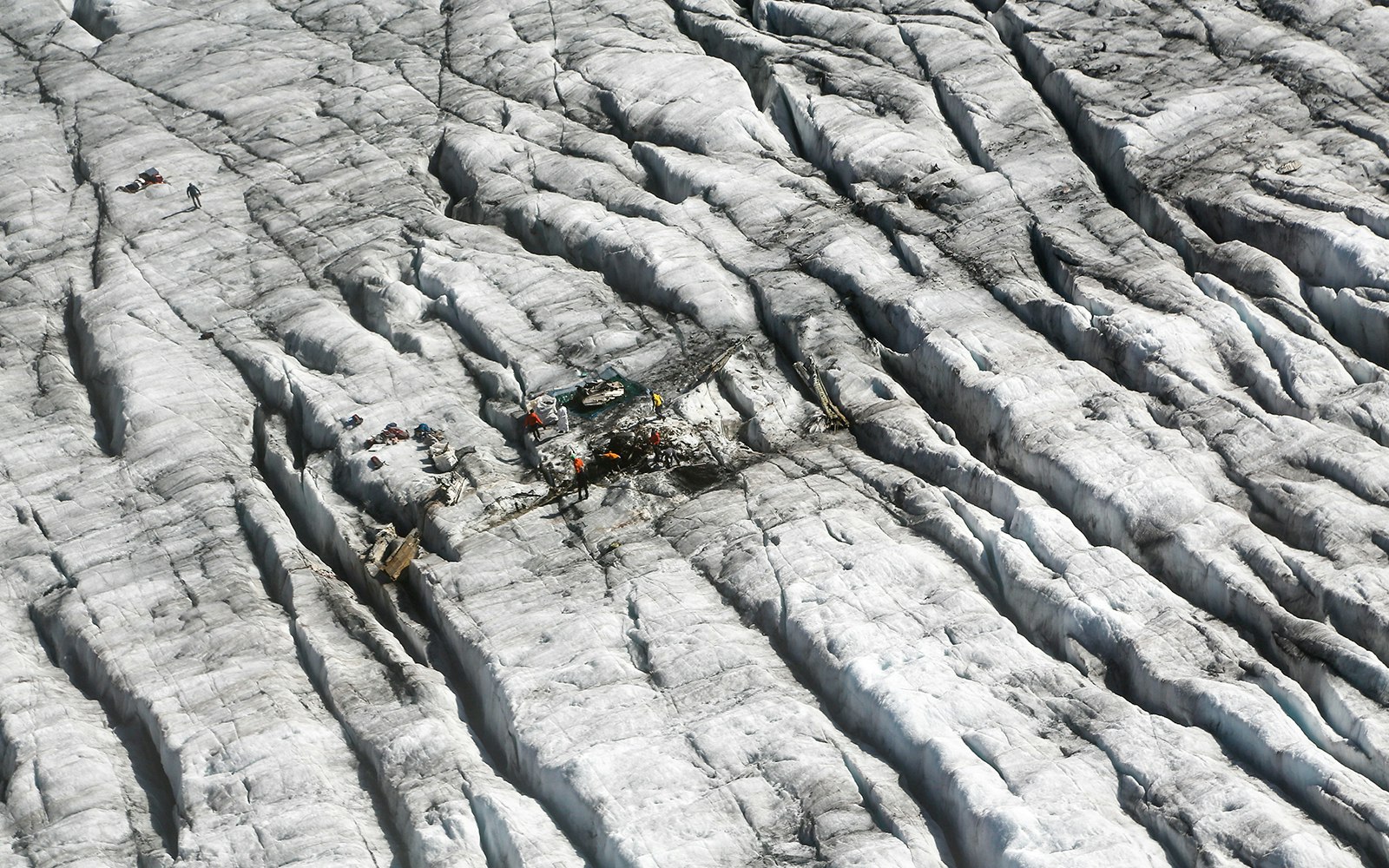
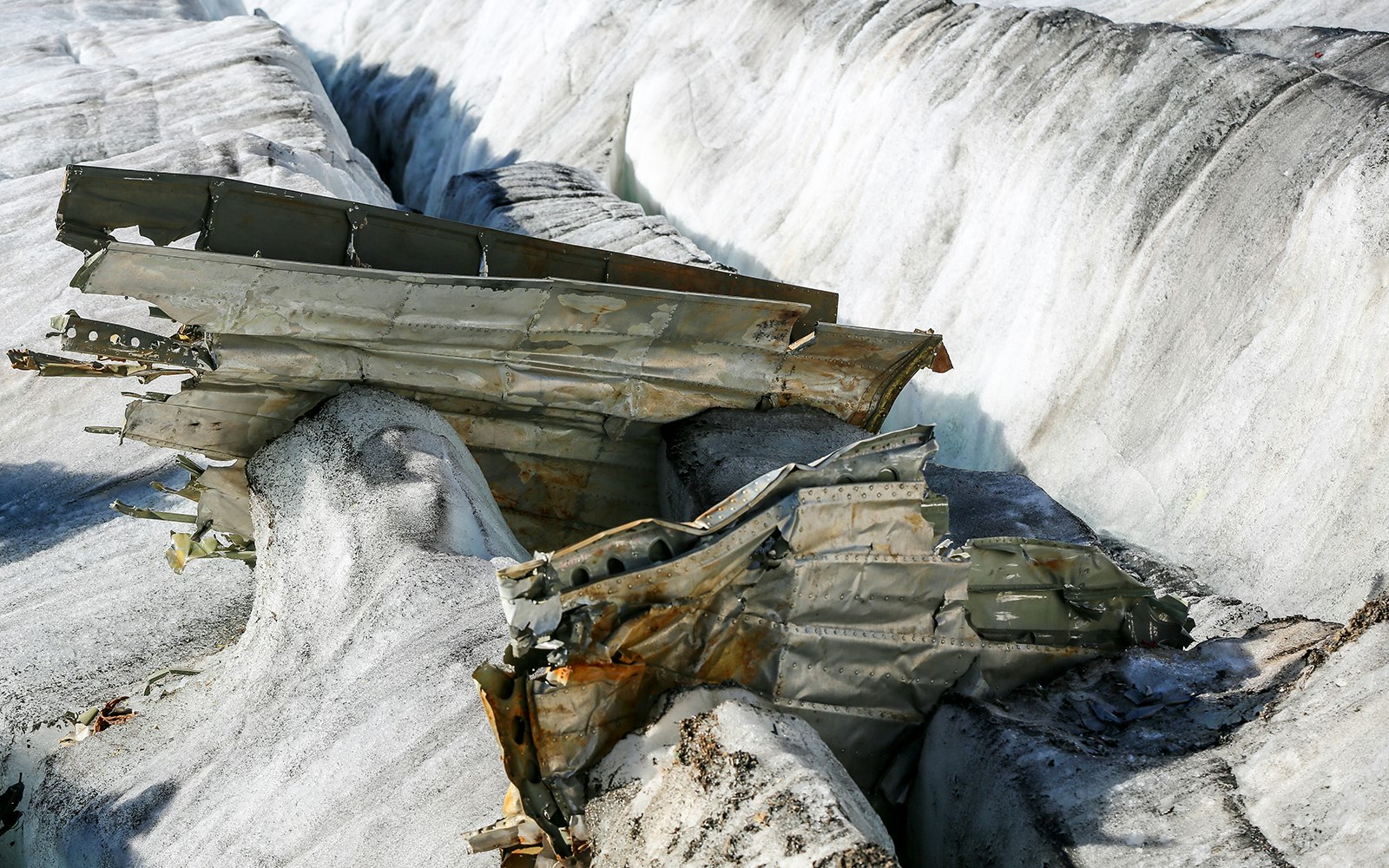
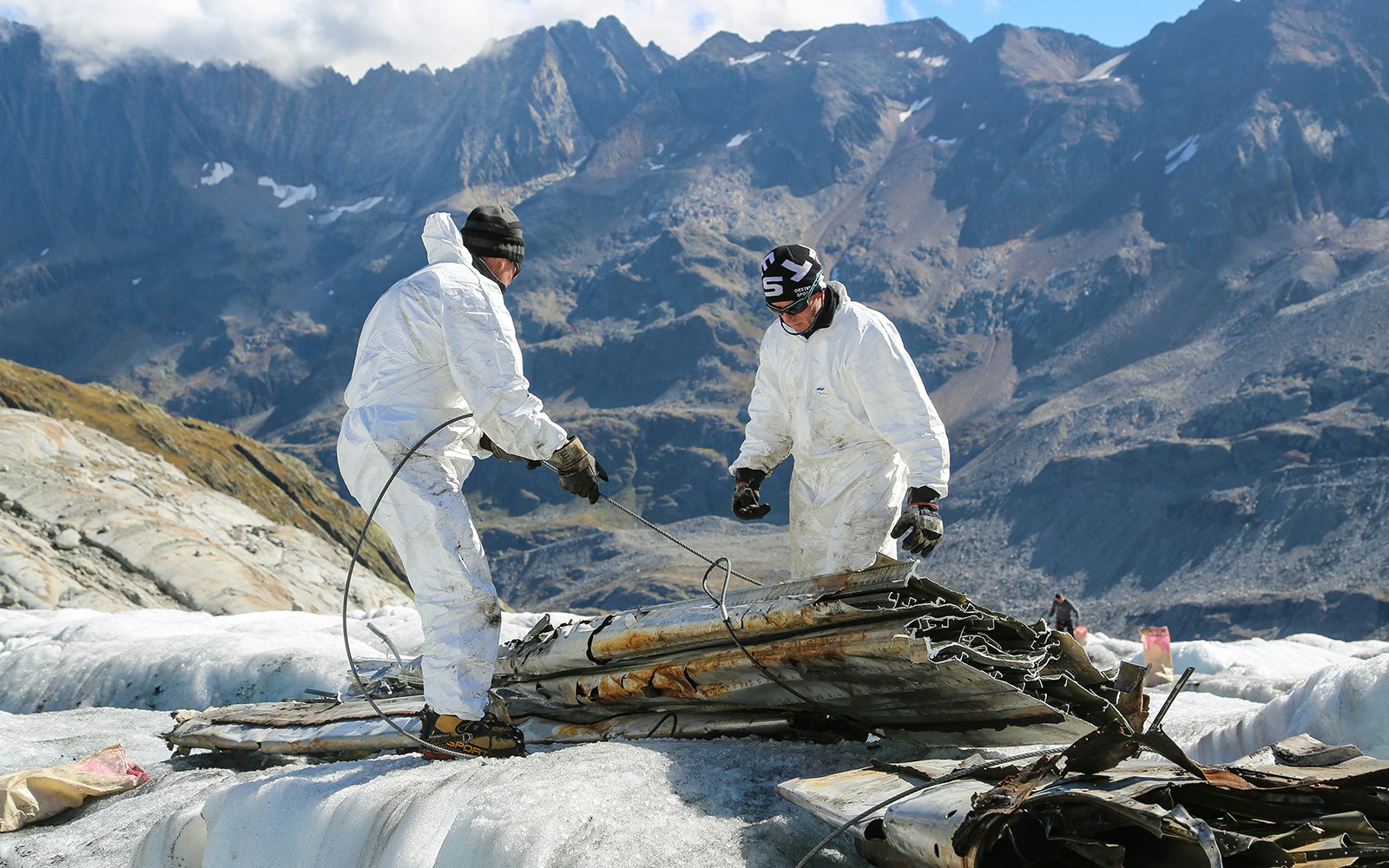
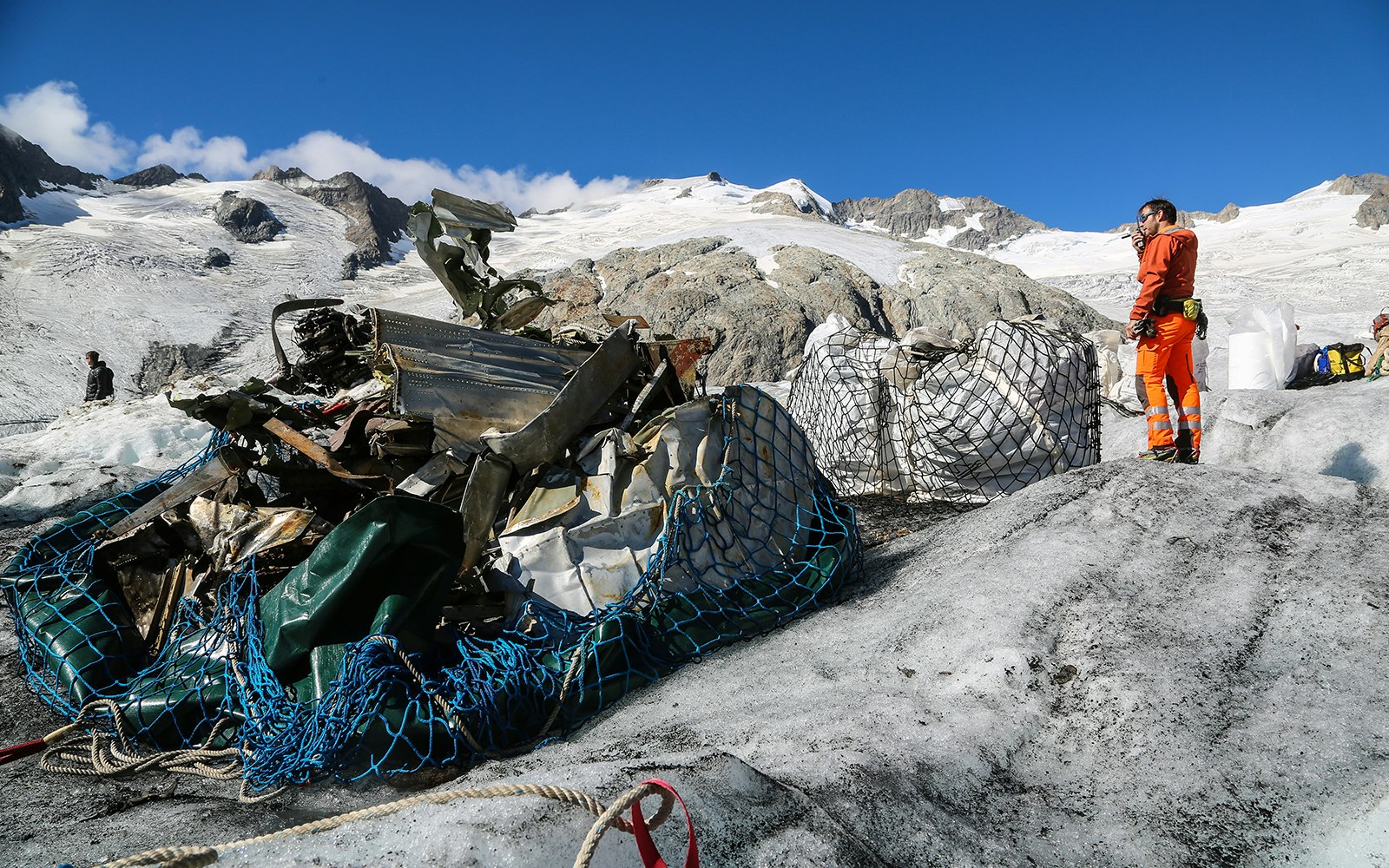
2.4 tons of material were recovered this week on the Gauli Glacier in the Bernese Alps: a small part of the wreckage of a US military aircraft that crashed in 1946. The hot summer of 2018 caused the ice to melt, bringing the wreckage to the surface, and further parts of the C-53 Dakota are expected to be uncovered in the future. A good deal of emotion is associated with this story in the region.
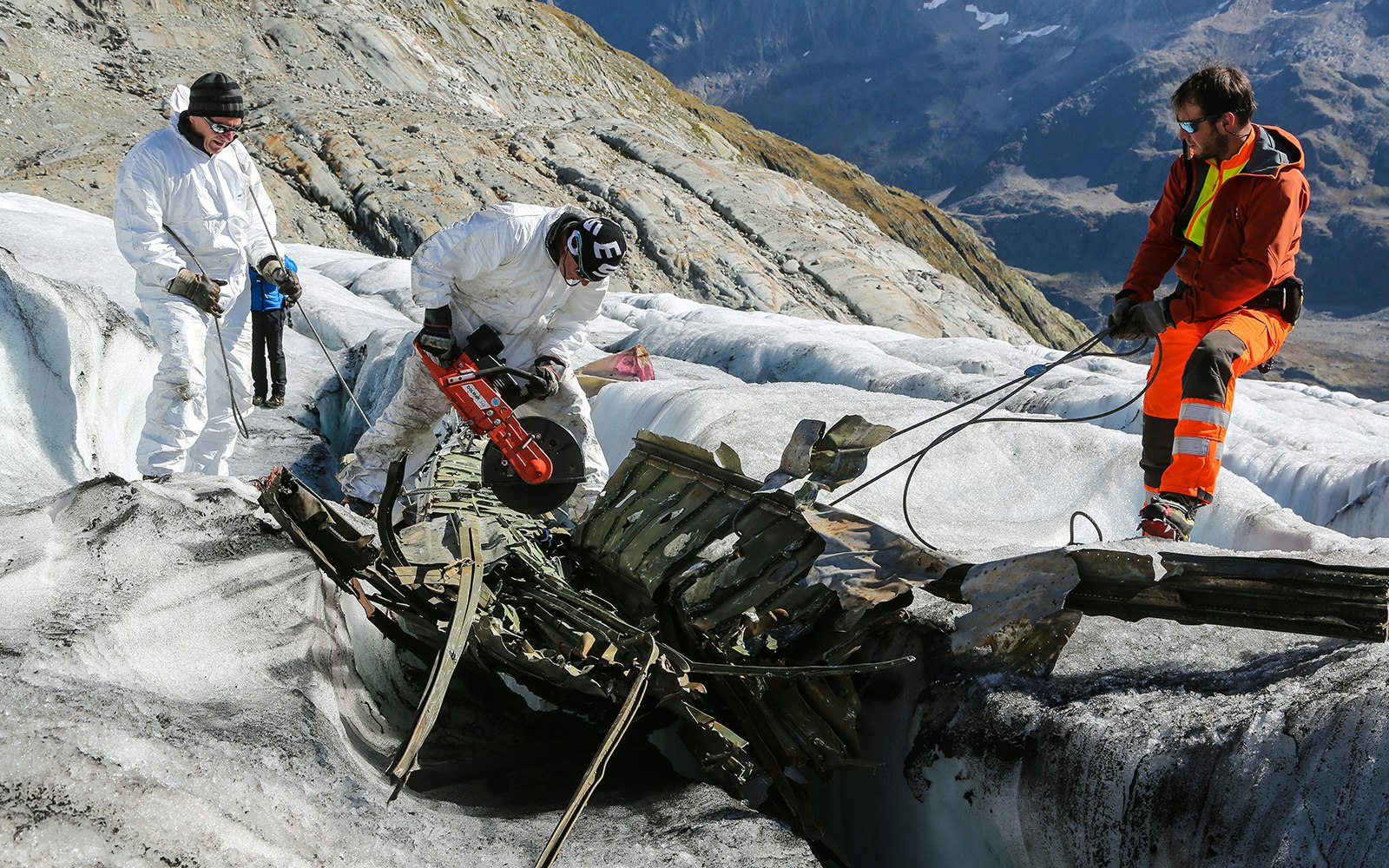
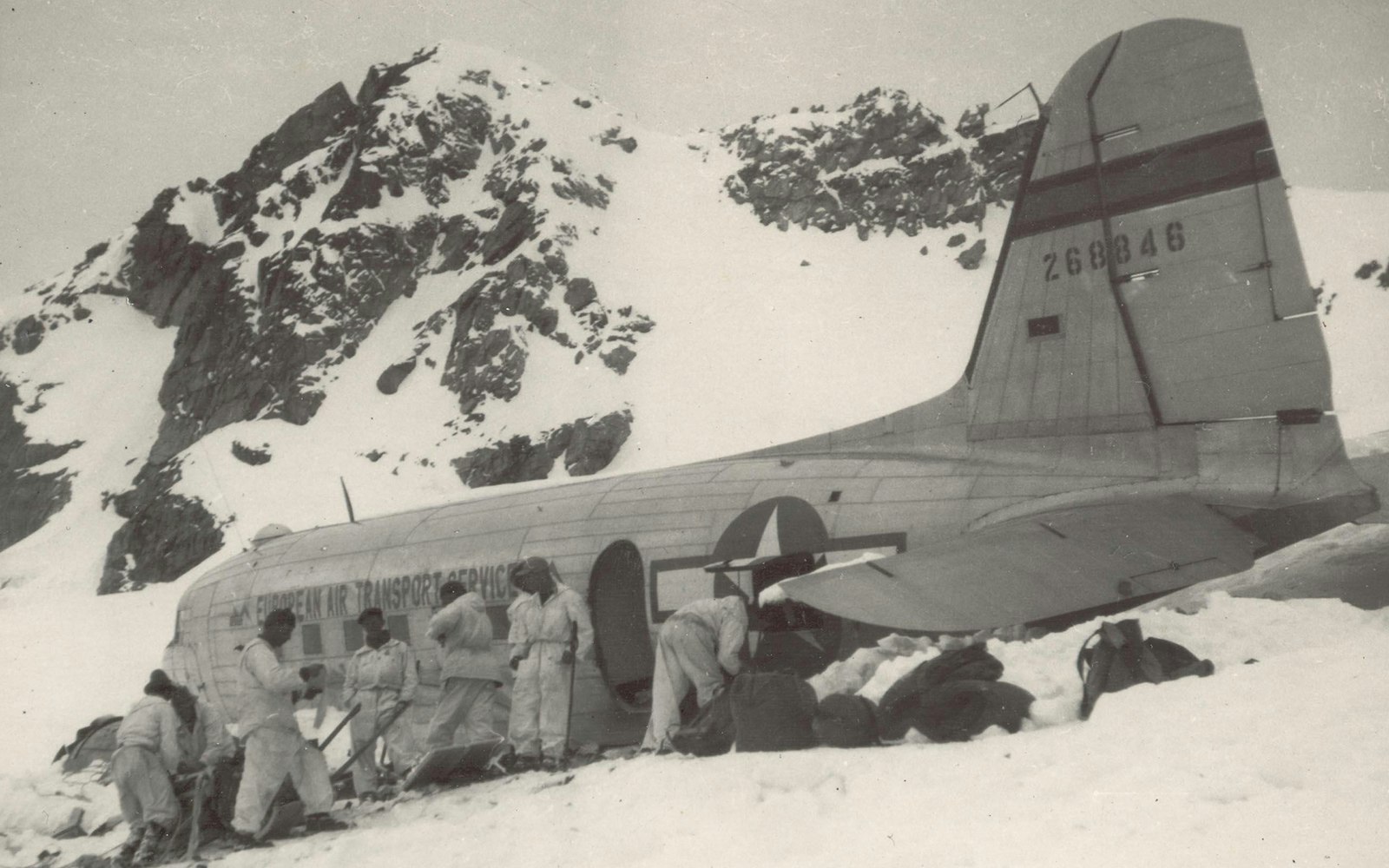
The long and hot summer of 2018 has caused some of the ice in the Gauli Glacier above Meiringen in the Canton of Bern to simply melt away. One of the effects is that parts of a crashed US aircraft have come to the surface. The Douglas C-53 Dakota crash-landed in the Swiss Alps on 19 November 1946. All twelve passengers and crew aboard survived and were rescued five days later by a rescue team and pilots from the Swiss Air Force. The positive news went around the world (see info box).
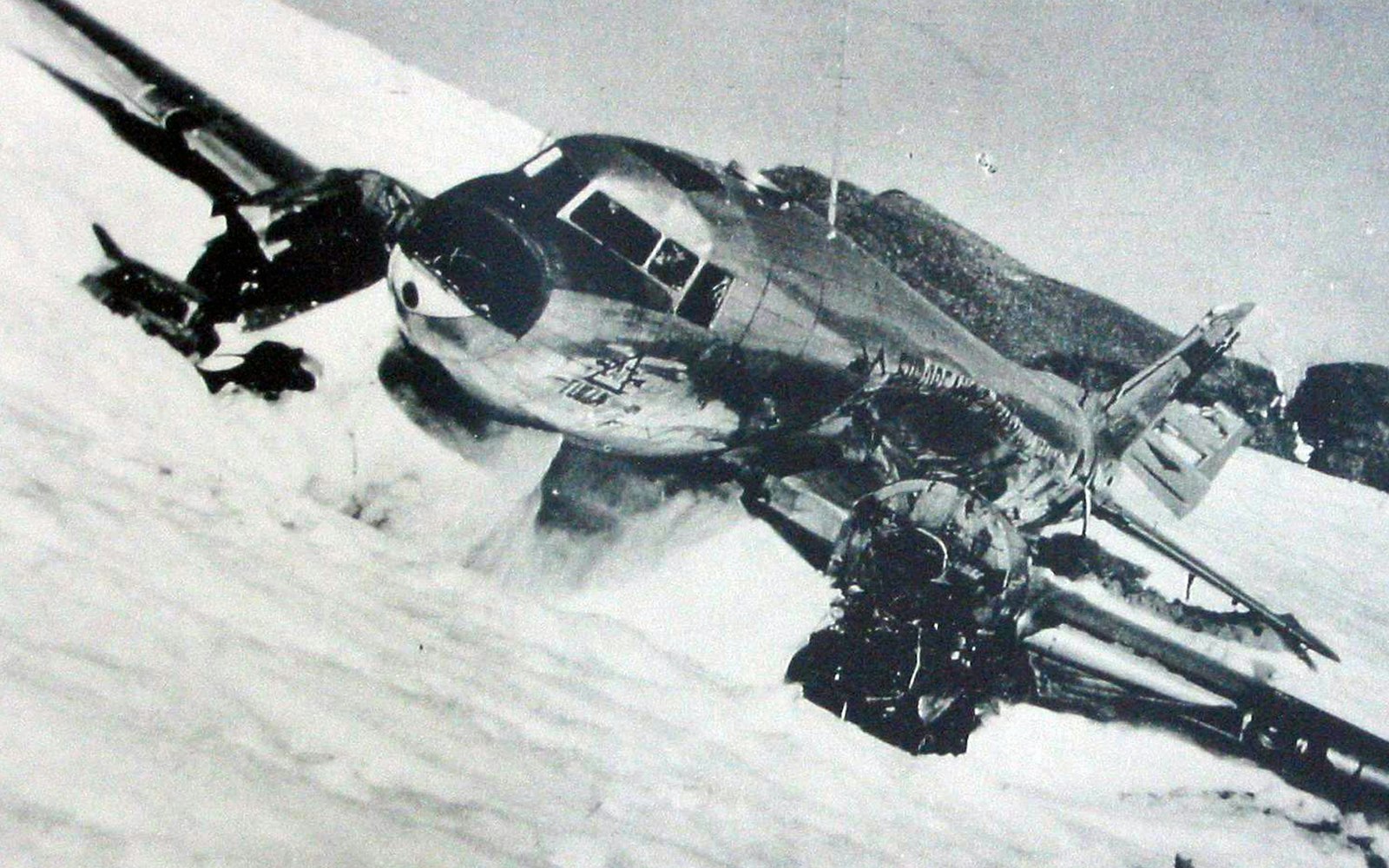
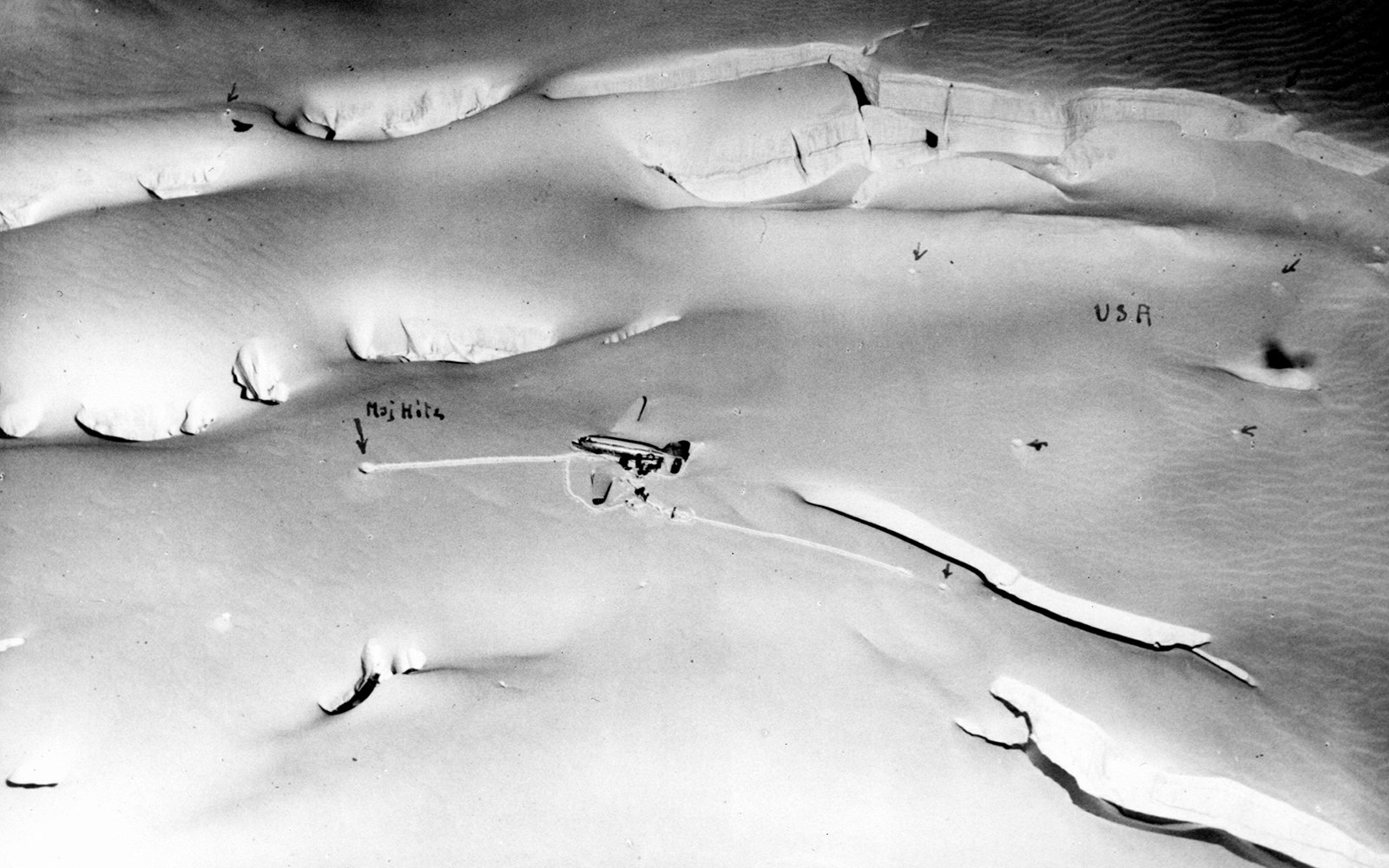
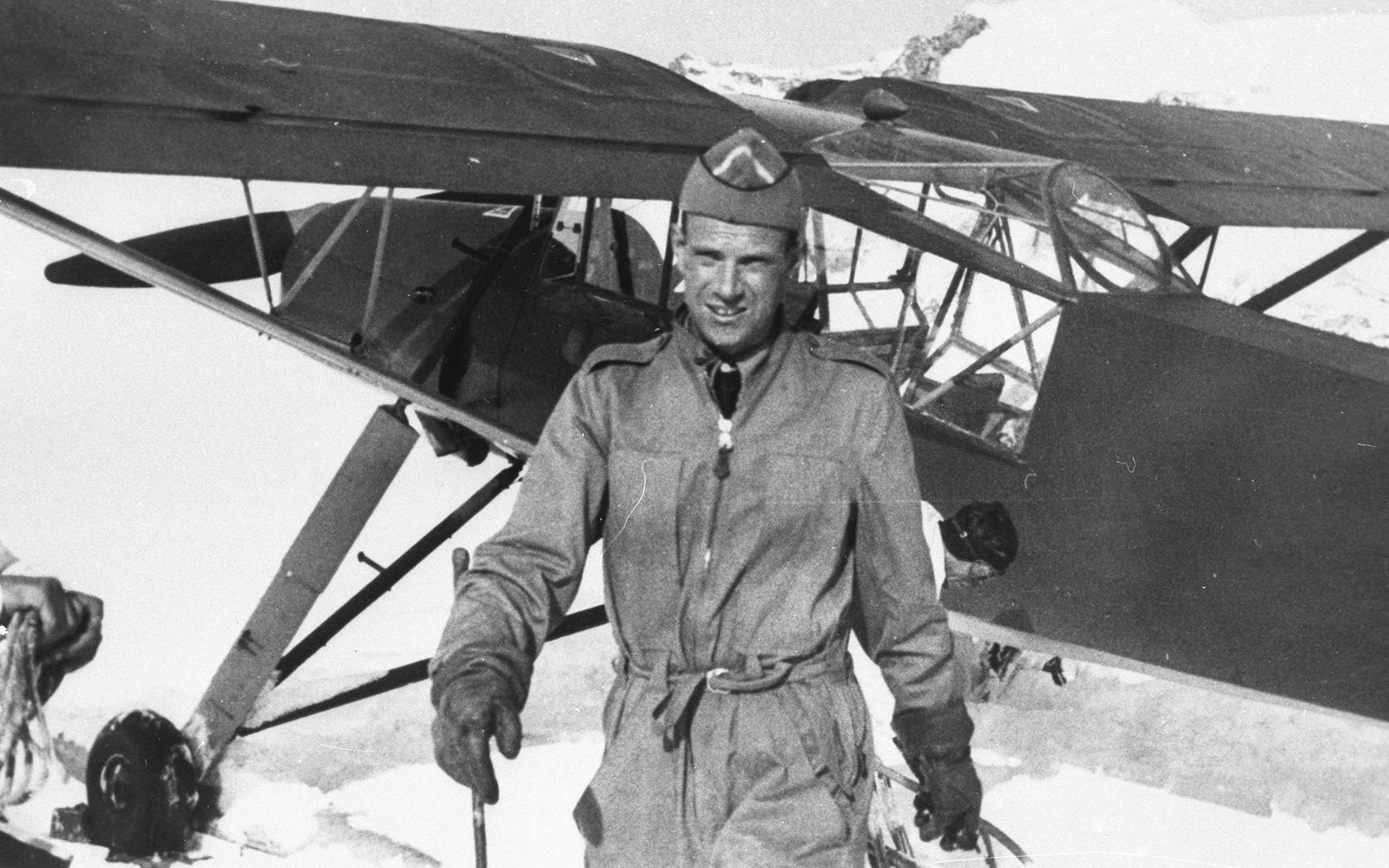
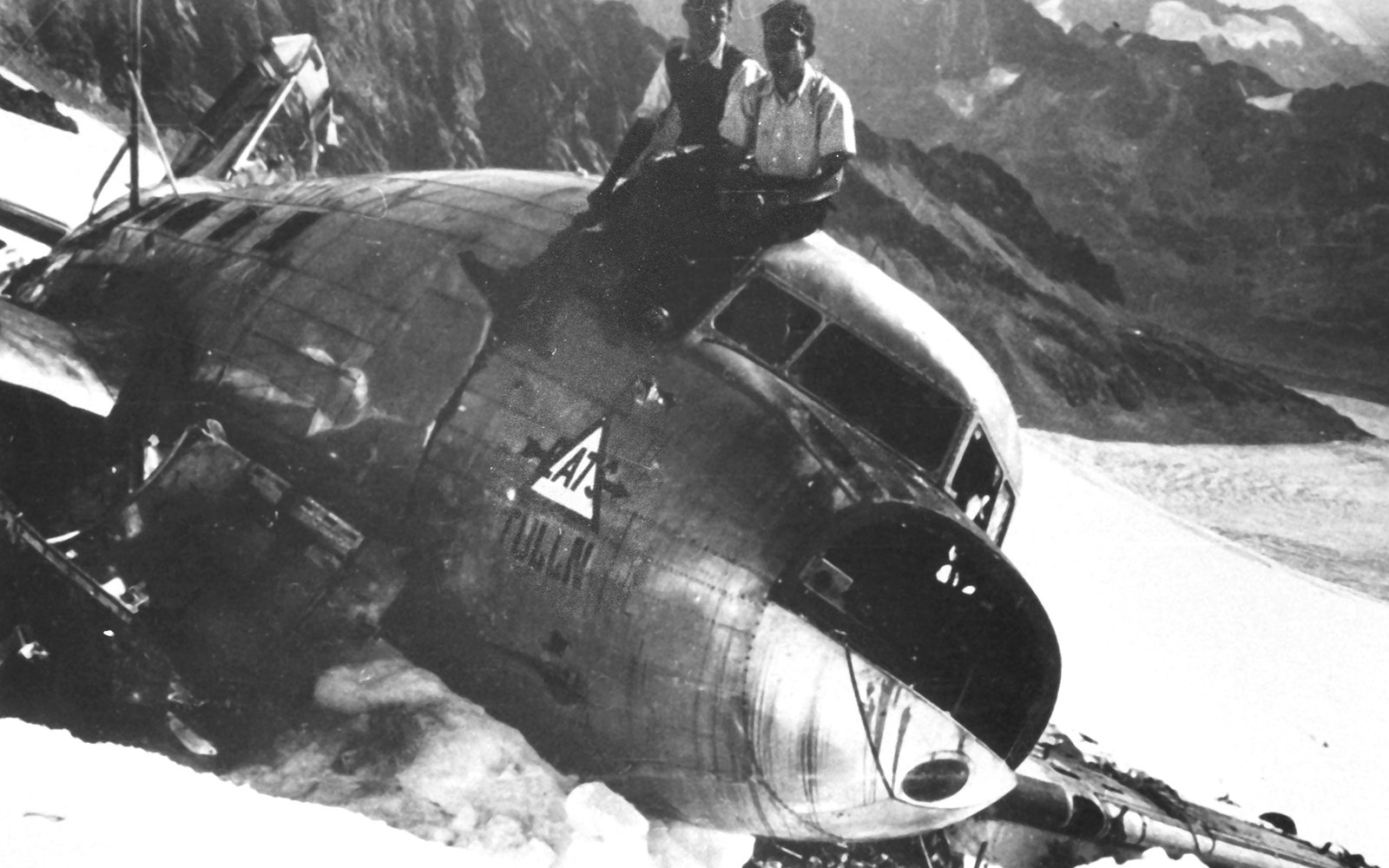
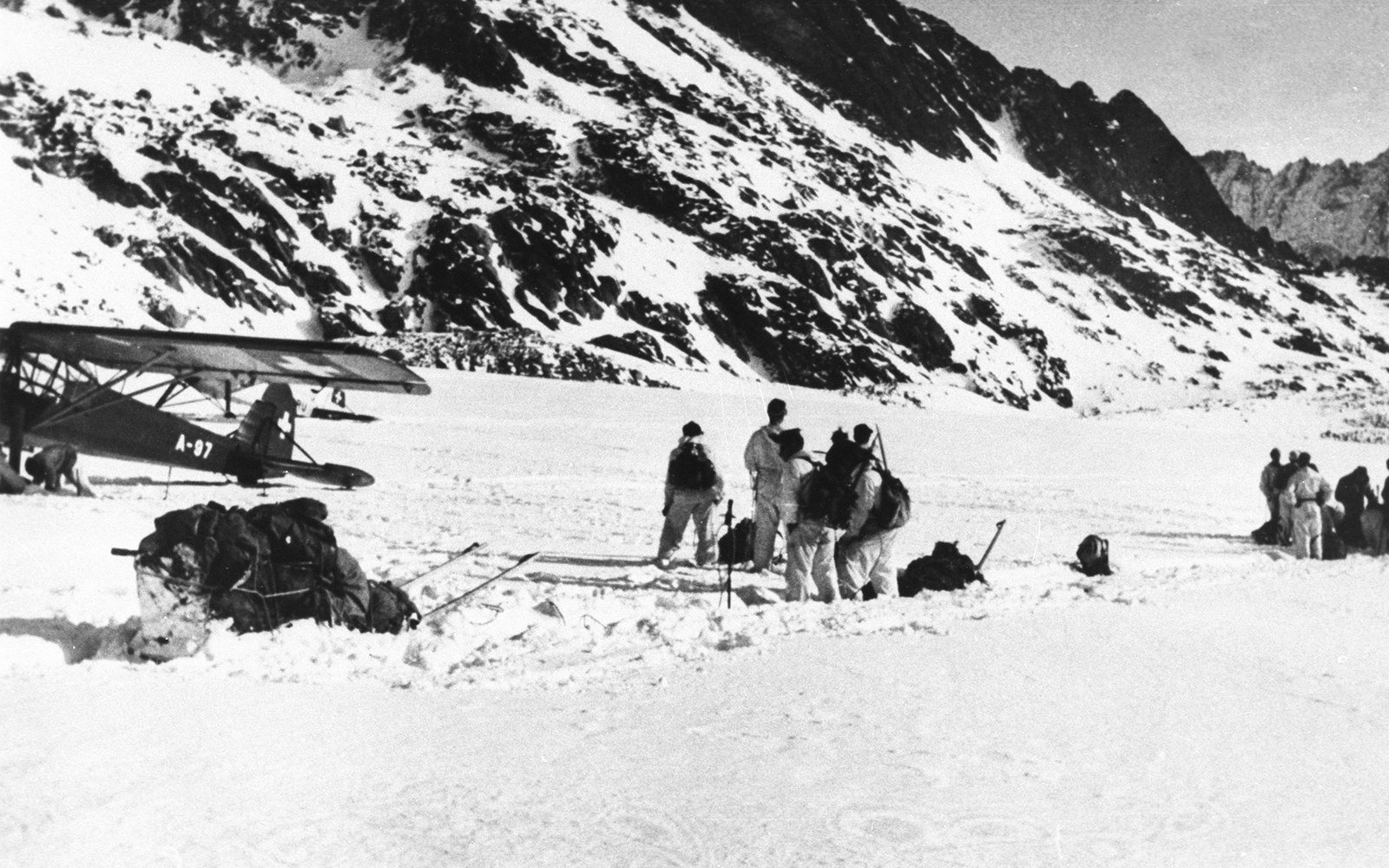
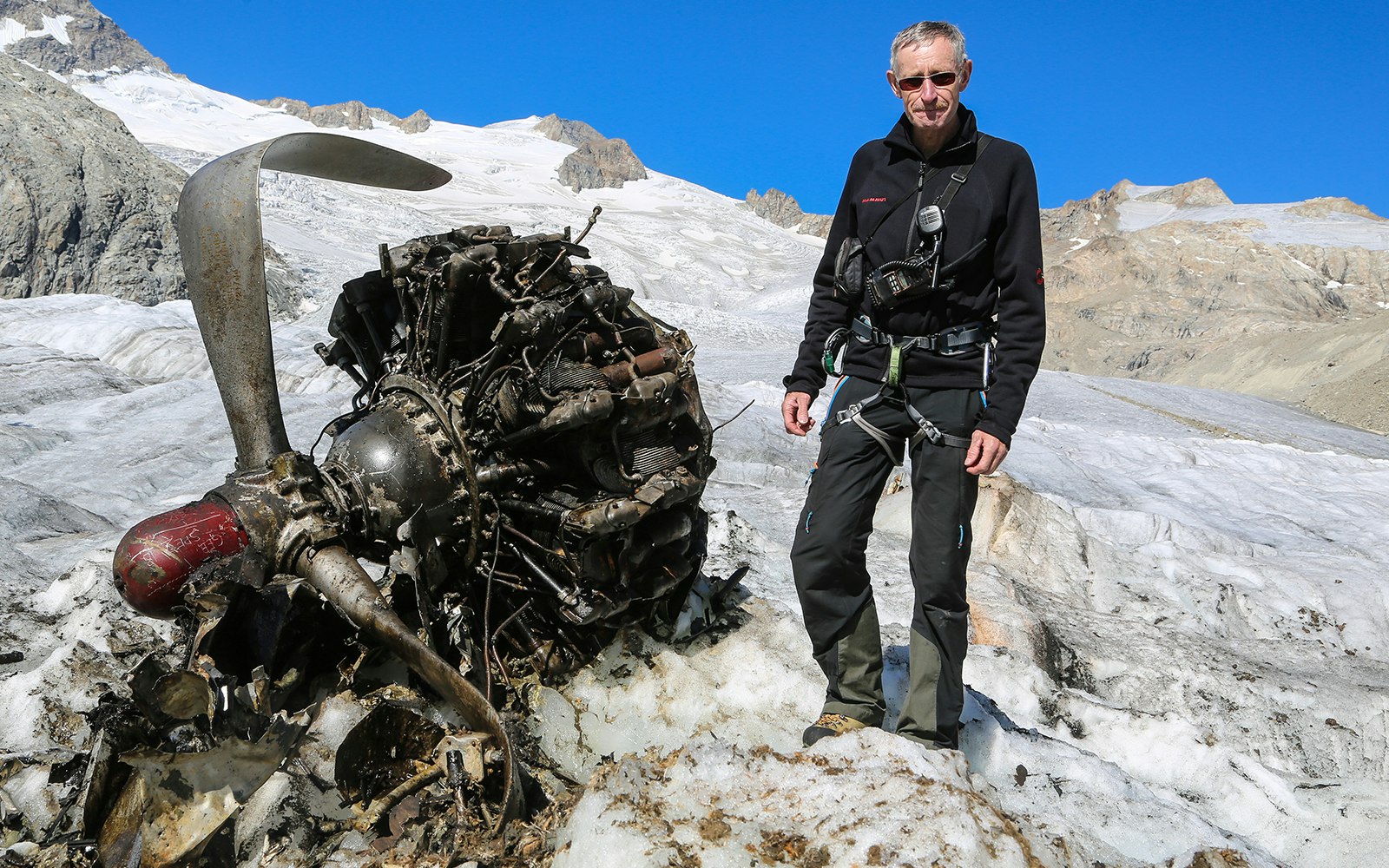
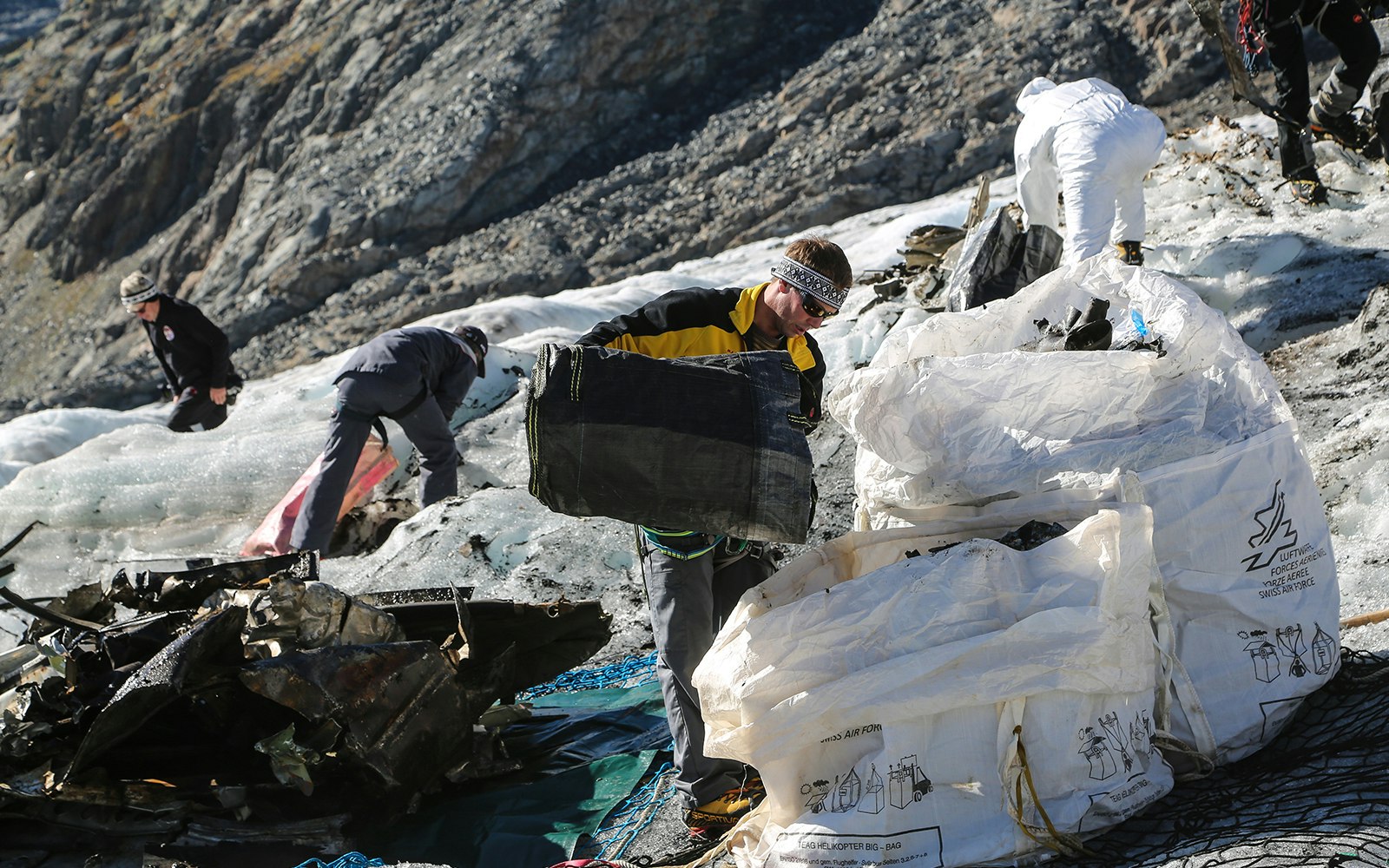
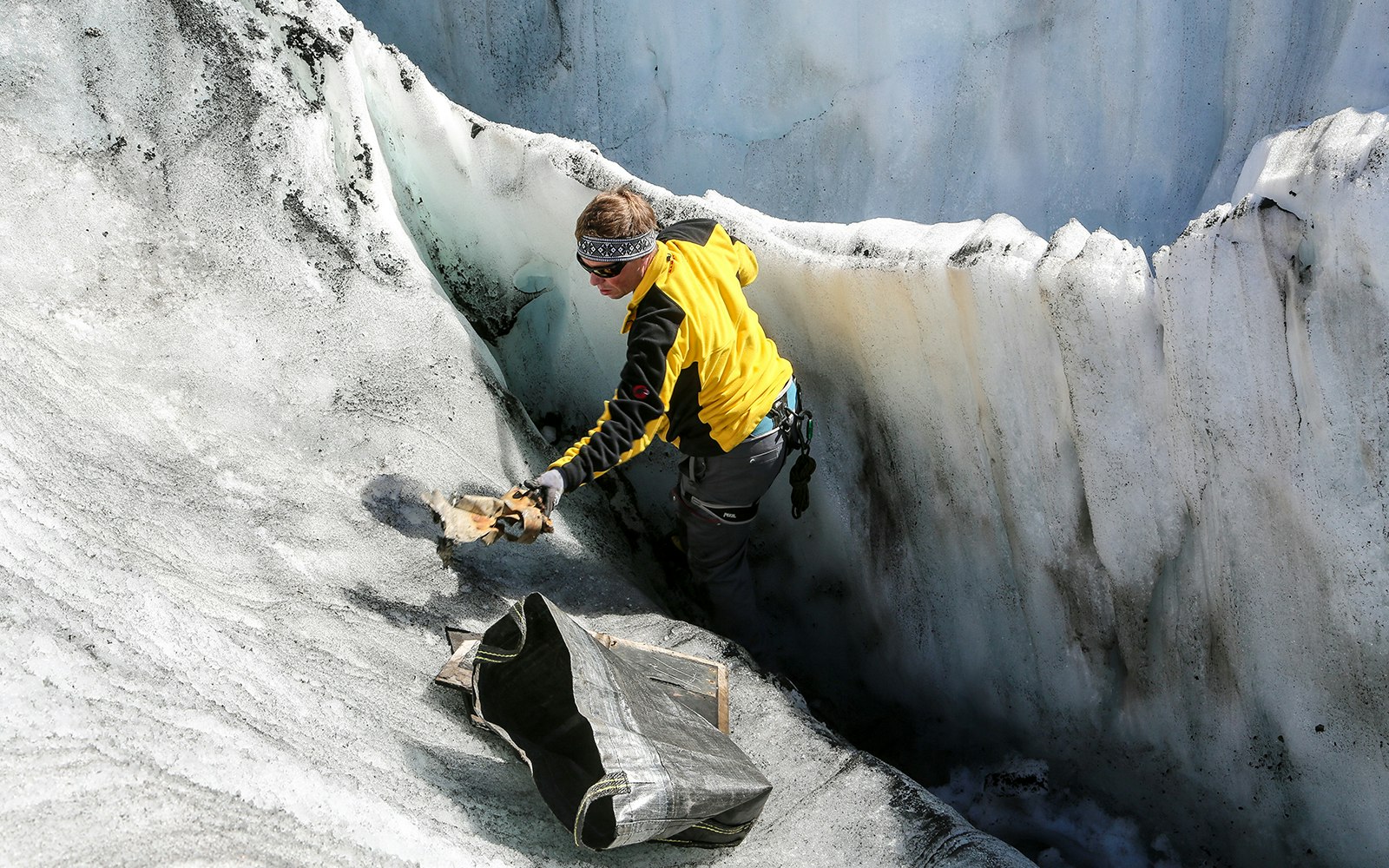
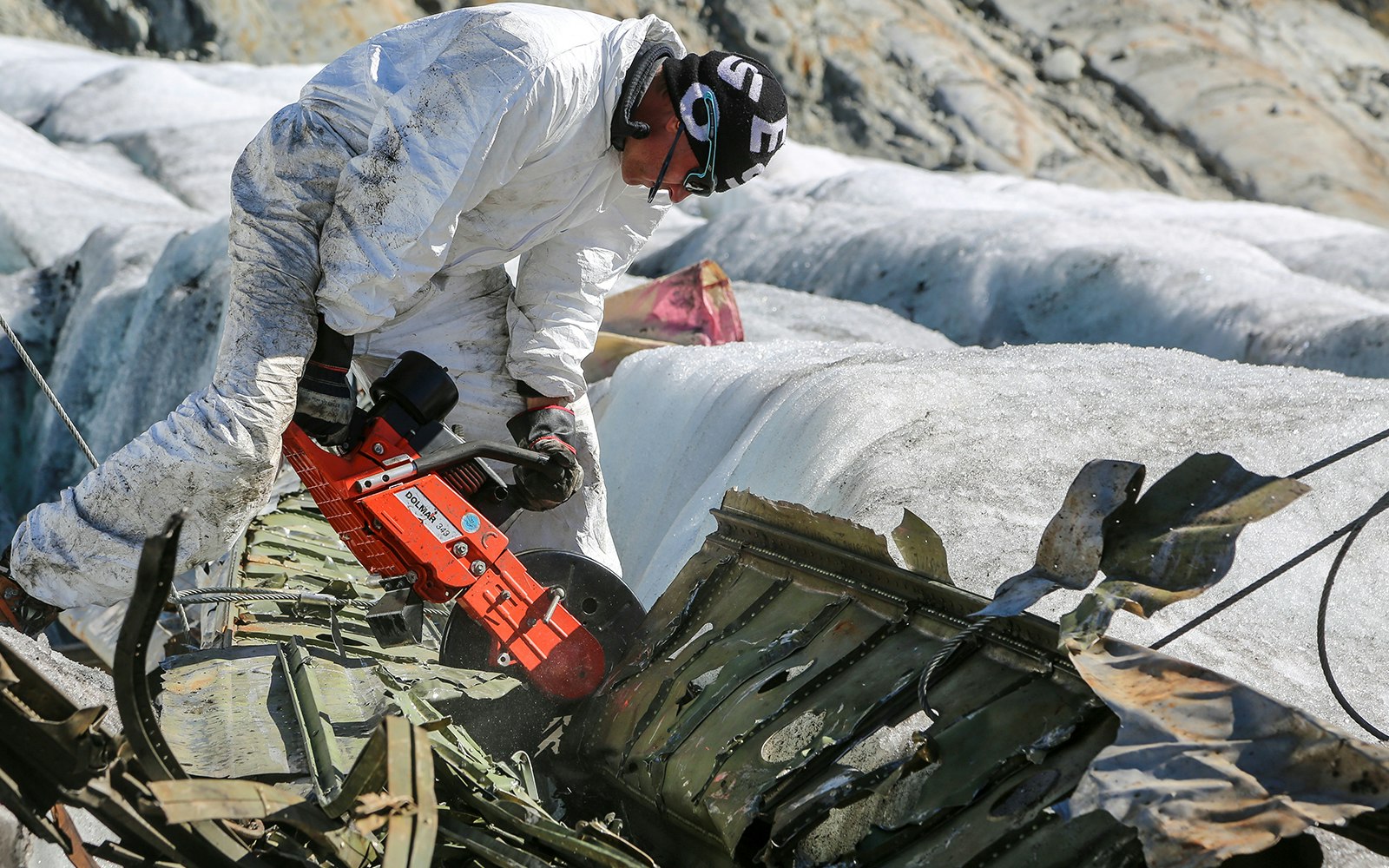
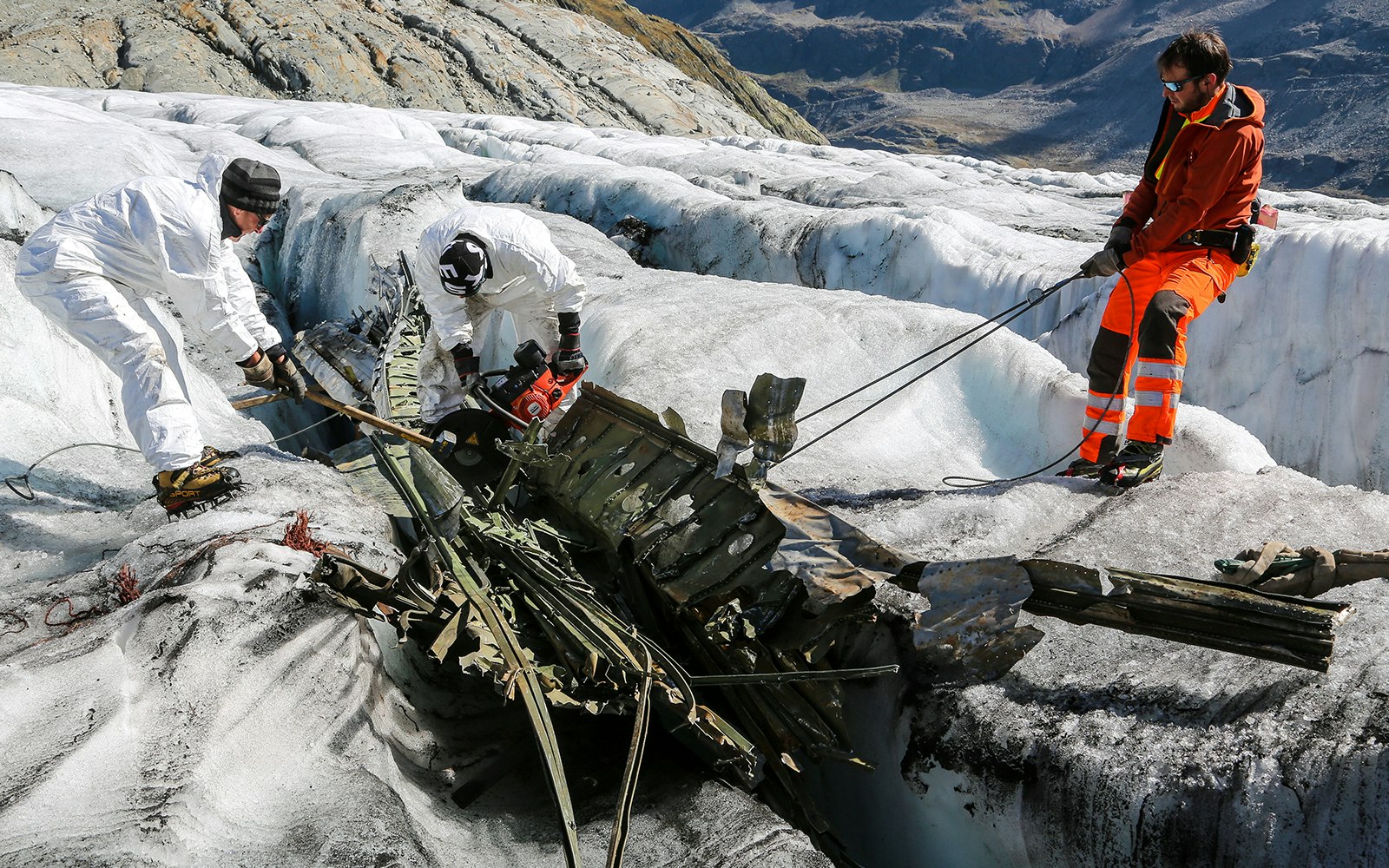
This week, some 72 years later, the Swiss Air Force Mountain Detachment in Meiringen was tasked with the special mission of recovering the remains of the aircraft, which the US Air Force had meanwhile donated to the Swiss Confederation. Fritz Teuscher, head of the mountain detachment responsible, admits that, in addition to the technical challenges, there was also an emotional side to the operation. "During the mission we concentrated on salvaging and cleaning. But then emotions came into play." What happened more than 70 years ago is still vivid in the memories of many senior residents of Meiringen and Innertkirchen, the region below the glacier.
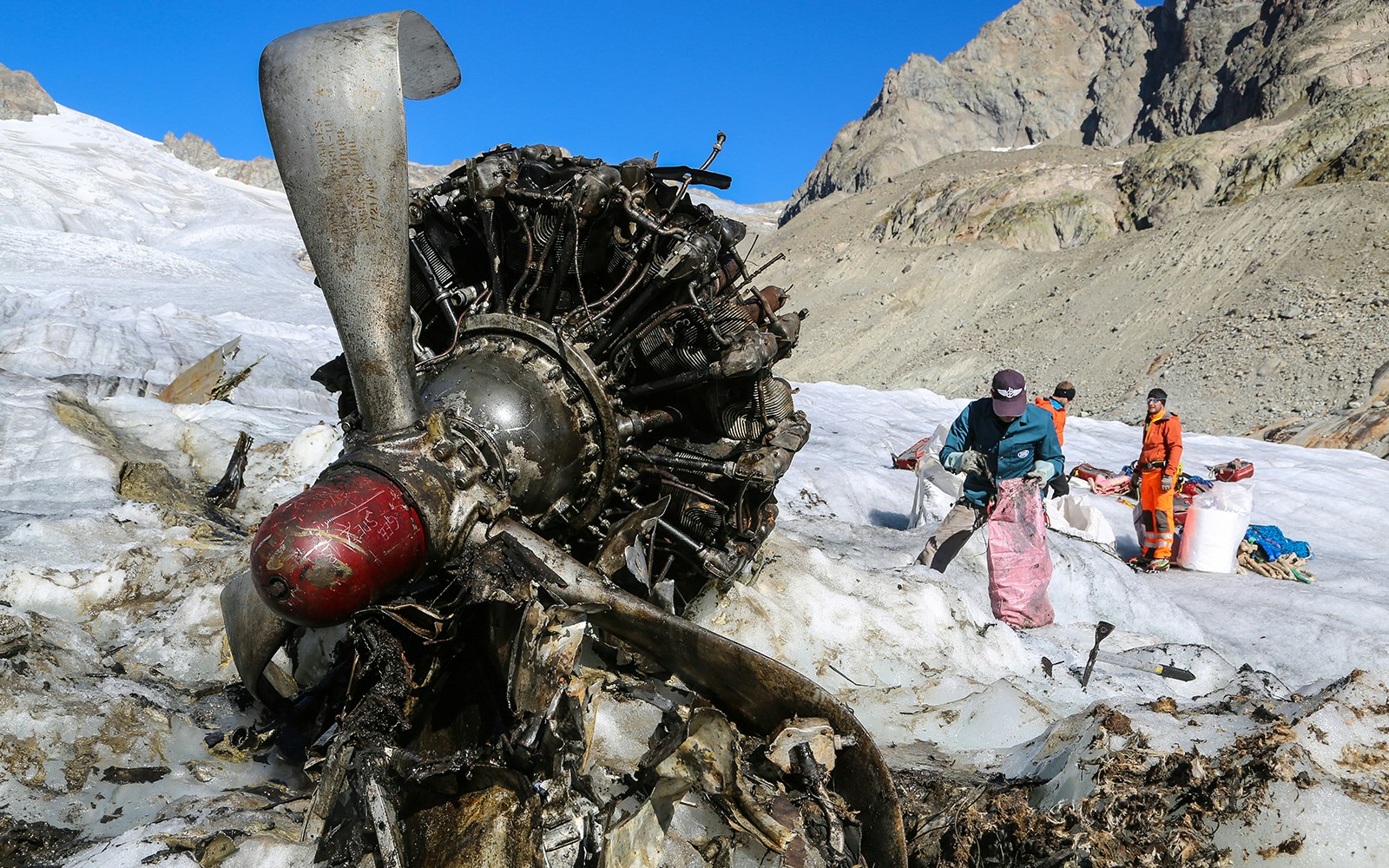
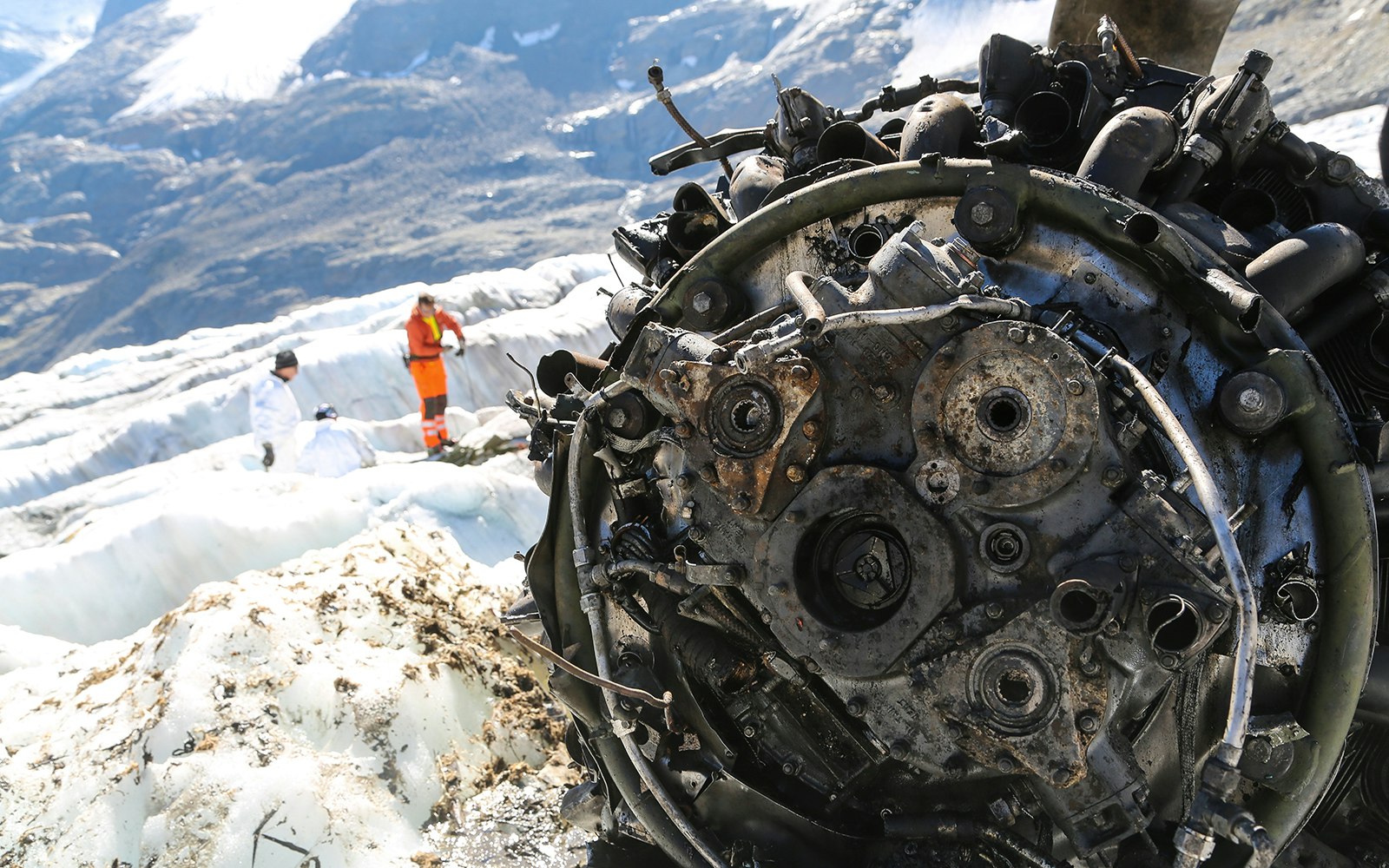
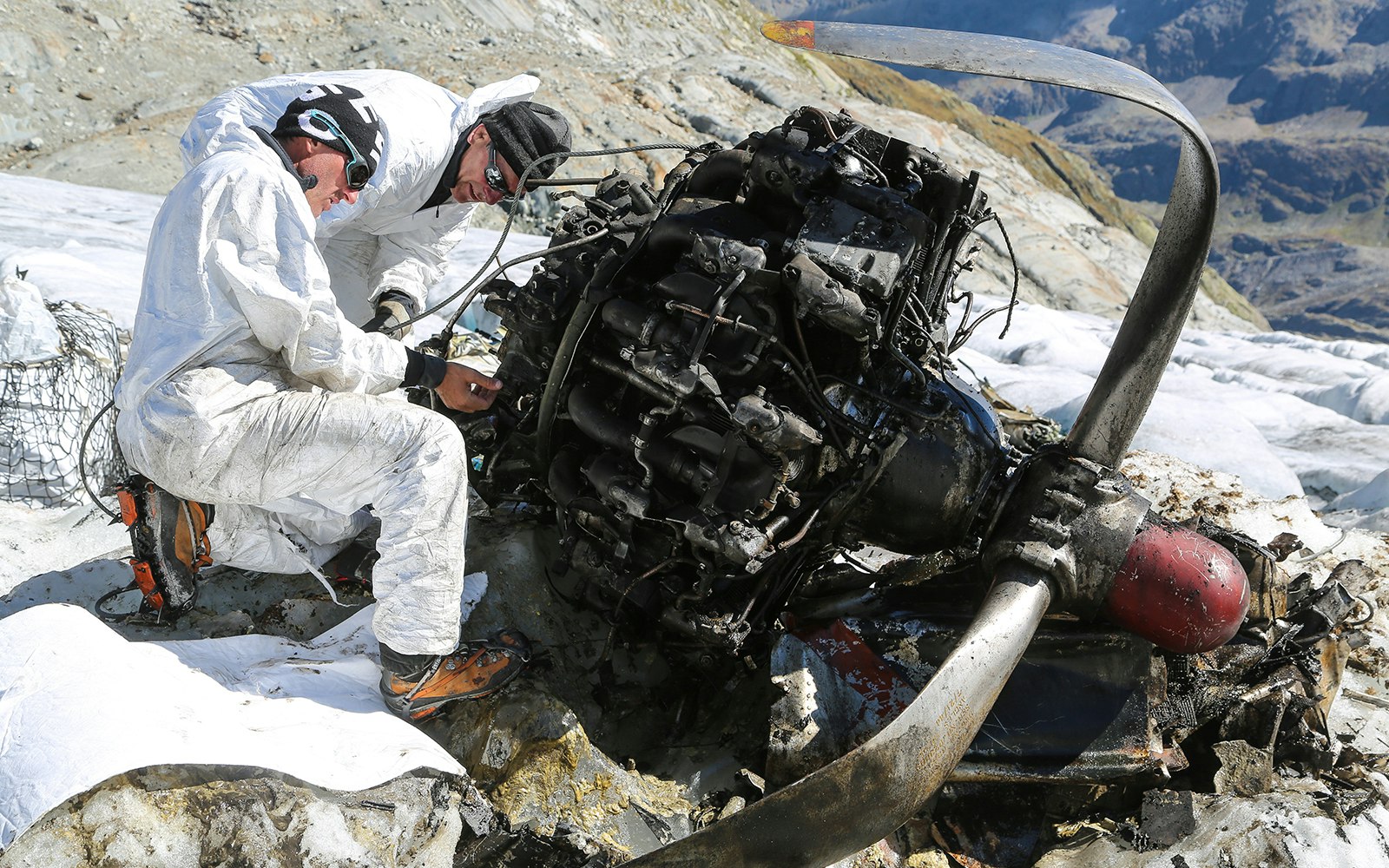
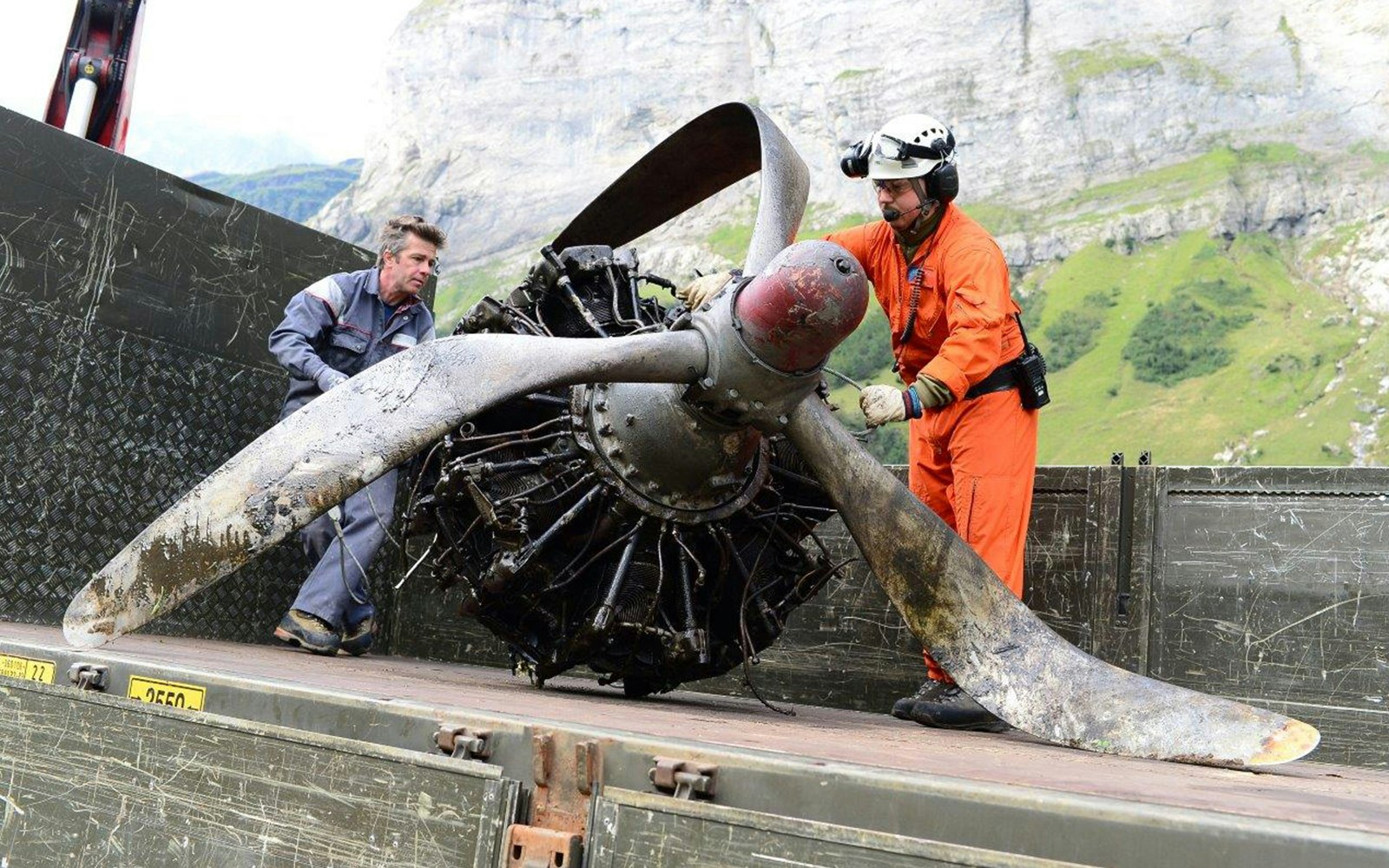
The specialists are proud that they have been able to help add another chapter to this long story: that of salvage. Teuscher is visibly moved as he looks at the Dakota's engine: "This engine is in excellent condition. It wouldn't take much to start it up again." The head of the Federal Department of Defence, Civil Protection and Sport (DDPS), Federal Councillor Guy Parmelin, ordered the mission with the two objectives in mind: recovering the wreckage and cleaning the ice for environmental reasons.
However, it is likely that the last chapter in this story has yet to be written. In 2012, the first parts of the aircraft resurfaced, including a propeller. Since then, smaller items, such as containers with emergency rations that were left behind after the rescue operation, have been found. And this year, one of the aircraft's two engines and wing parts resurfaced. Fritz Teuscher says he would be happy if he could assist in recovering larger parts before his retirement, e.g. the aircraft cabin, which is still completely lost in the ice somewhere. It is quite possible that one day his wish will be fulfilled.
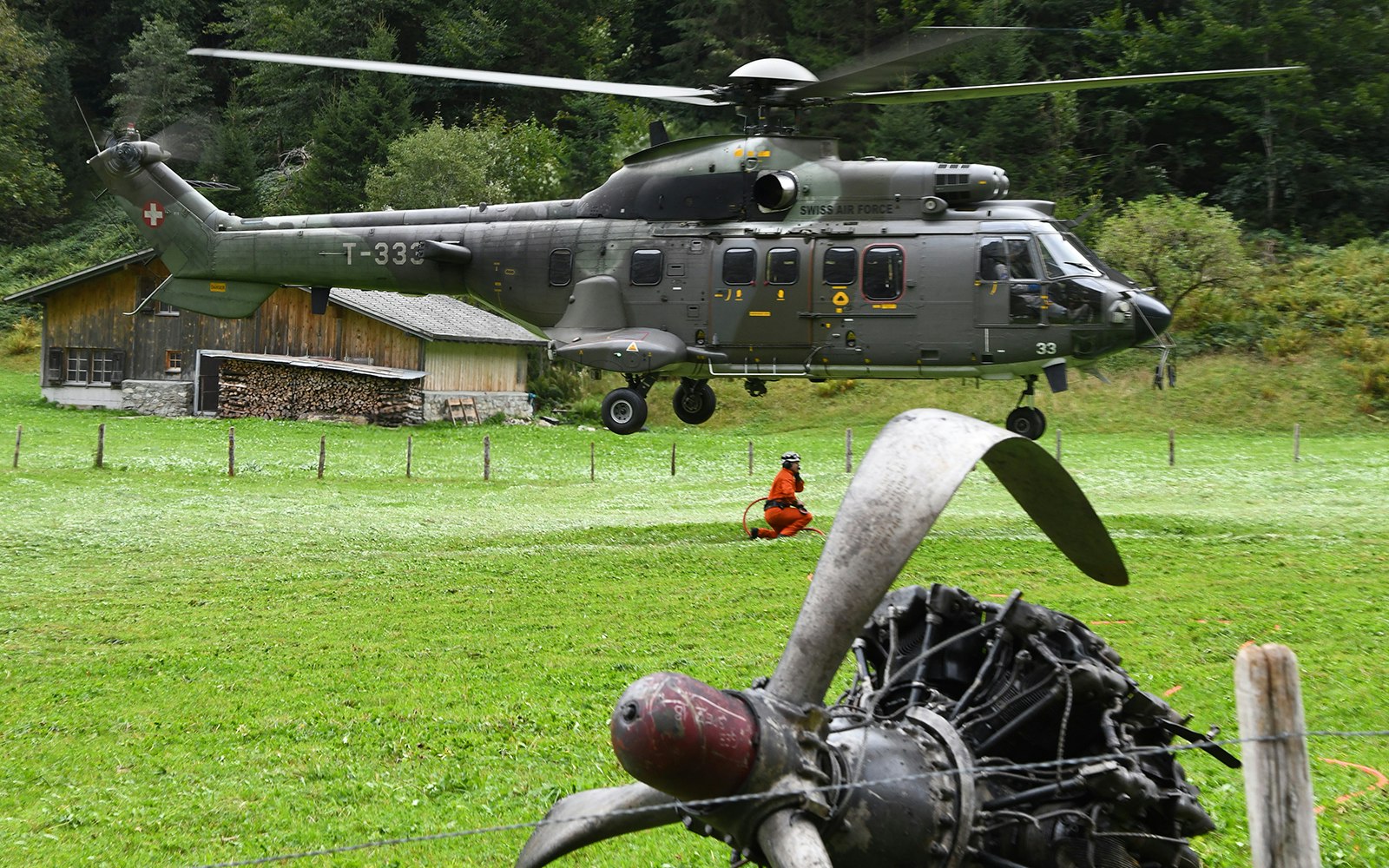
Recovery work has been completed for now. Flying four times, a Super Puma airlifted around 2.4 tons of material down to the valley. The parts will be stored in a hangar in Meiringen. It is planned that specialists will begin analysing and sorting the material in winter, possibly laying the foundation for a reconstruction of the old C-53 Dakota, which would be a further chapter in the impressive history of the aircraft. The crash landing on the Gauli Glacier led to the birth of air rescue in the mountains, which brought the Swiss Armed Forces great attention and recognition worldwide.